
10 Things to Know Before Buying a Standby Generator
A practical buyer's guide for Northeast Ohio homeowners comparing standby generator options and installers.
Buying a standby generator is a significant home improvement investment. Understanding the key factors before you request quotes helps you ask better questions, compare proposals accurately, and avoid common mistakes. Here are ten things every homeowner should know before buying a standby generator.
1. Generator Size Is Determined by Your Electrical Load
Generator size is measured in kilowatts (kW). The right size depends on which circuits you want to power and the total electrical load of those circuits. A site-specific load calculation — not a general rule of thumb — is the most accurate way to determine the right generator size for your home.
2. Fuel Source Affects Sizing and Installation
Generac standby generators run on natural gas or propane. Natural gas is typically more convenient in urban and suburban areas. Propane is common in rural areas without natural gas service. The fuel source affects generator output (natural gas generators produce slightly less power than propane at the same engine size) and installation requirements.
3. The Transfer Switch Is a Critical Component
The automatic transfer switch (ATS) is the device that detects a power outage, disconnects your home from the utility grid, and connects it to the generator. A properly installed ATS prevents back-feeding — a dangerous condition where generator power flows back into the utility grid. Never operate a generator without a proper transfer switch.
4. Placement Affects Performance and Permit Approval
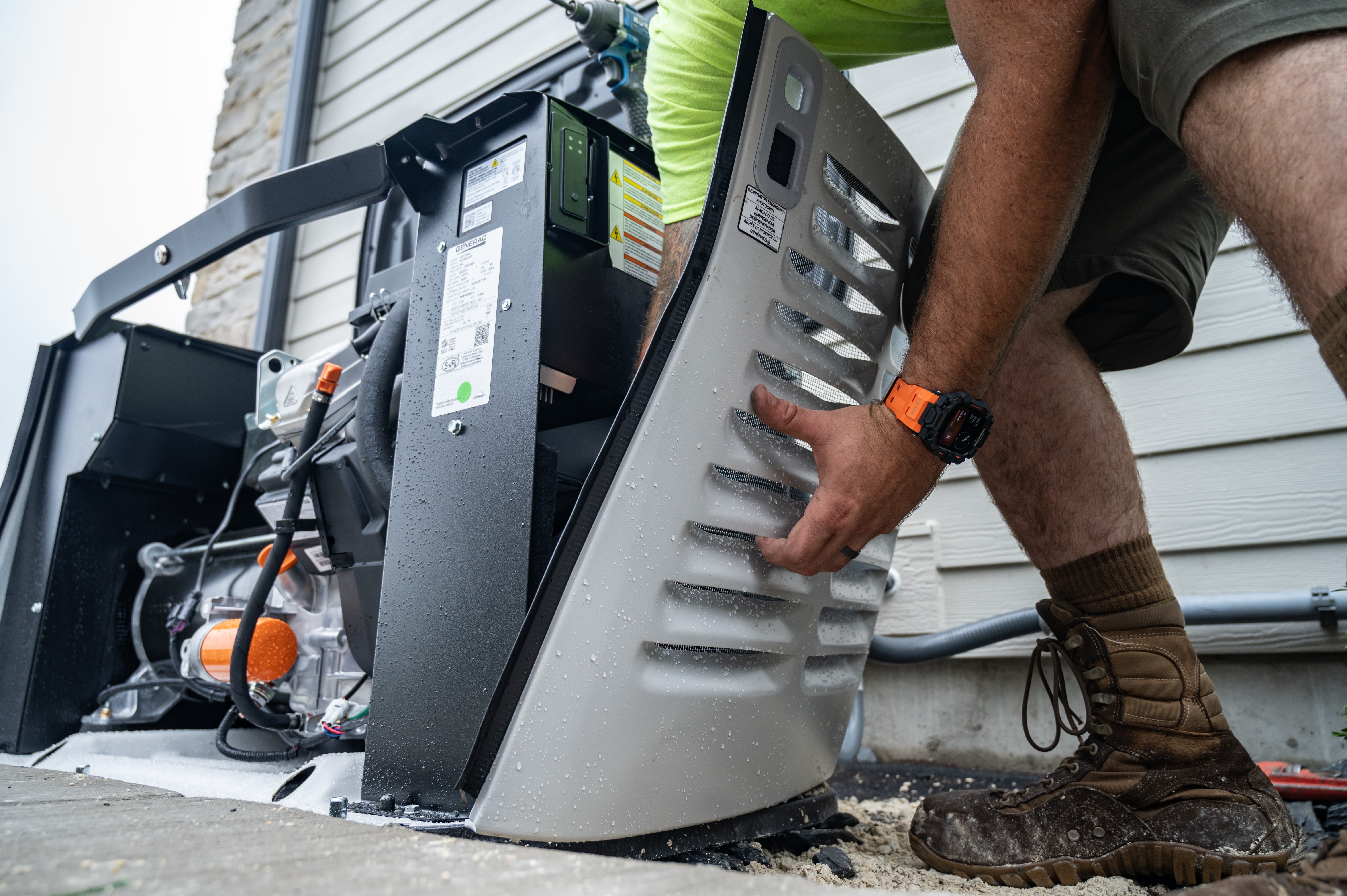
Generac generators must be installed on a level pad (concrete or composite) at a minimum distance from windows, doors, gas meters, and property lines. Local codes vary. A qualified installer will assess your property and recommend the best placement before submitting permit applications.
5. Permits Are Required
Standby generator installation requires electrical permits and, in most jurisdictions, a mechanical or gas permit. Some municipalities also require a zoning review. A licensed installer handles permit applications as part of the installation process. Be cautious of any installer who suggests skipping permits.
6. Installation Timelines Vary
A typical standby generator installation takes one to three days, depending on site conditions, permit timelines, and utility coordination. Utility companies must approve the installation of a transfer switch on their service entrance. This coordination can add time to the project timeline.
7. Maintenance Is Required
A standby generator requires annual service — oil change, filter replacement, spark plug inspection, battery test, and transfer switch verification. Skipping maintenance voids the warranty and reduces reliability. Factor maintenance costs into your total cost of ownership.
8. Mobile Link Monitoring Is Standard on Generac Units
Every Generac standby generator includes Mobile Link WiFi connectivity, which allows remote monitoring of generator status, exercise cycles, fault codes, and maintenance reminders from a smartphone app. This is especially useful for vacation homes, rental properties, or homeowners who travel.
9. Warranty Coverage Varies by Model
Generac offers a five-year limited warranty on most residential standby generators. Warranty coverage requires installation by a certified dealer and adherence to the recommended maintenance schedule. Keep all service records.
10. Get a Site-Specific Quote
Online generator cost calculators and general price ranges are useful for budgeting, but the only accurate way to understand installed cost for your home is a site-specific assessment. Factors like distance from the gas meter, electrical panel location, site conditions, and local permit fees all affect the final cost.